A new garage door is one of the biggest moving parts in your home. It opens and closes thousands of times a year, and it is often the largest thing you see from the street. When the old one keeps failing, a fresh install can be the smarter fix.
Opponentscritical Garage Doors is a referral service. We connect homeowners in the Attleboro area with independent providers in our network who measure, install and test the door. You can handle the prep, like clearing space and taking measurements. The heavy lifting and the spring work belong to a pro with the right tools. Request an estimate and compare your options.
Start Here: Is the Door Safe Right Now?
If your door is crooked, hanging off one side or stuck open, treat it as unsafe. A broken door can drop fast. Keep kids, pets and cars clear of it.
Do not push, pull or force it. Springs and cables hold a lot of tension. If the door is stuck open and your home is exposed, ask a provider about emergency garage service while you plan the replacement. Request a callback to check provider availability.
Signs It Is Time for a New Door
One bad part can be repaired. A pile of problems usually means replacement. Look for these:
- Panels that are cracked, rotted, dented or bowed
- Sections that keep pulling apart at the hinges
- Tracks that bend again, or track alignment that never holds
- Rust creeping up from the bottom edge
- Loud, jerky travel even after cleaning and lubricating
- A thin door that lets in drafts and cold
If a repair quote climbs close to half the price of a new door, compare both paths. Ask the provider to explain the numbers in plain words.
What You Can Safely Do Yourself
Check first, then reach out. There is real work a handy homeowner can do before anyone shows up.
Measure the opening width and height. Measure the headroom above the door and the space on each side. Snap photos of the current door, the tracks and the ceiling. Clear shelves, bikes and bins so the installer has room. Note any side door, low beam or step at the entry.
That prep helps a provider quote more accurately. It can also save time on the day of the job.
Where to Stop and Hand It to a Pro
Know where to stop. Torsion springs, lift cables and heavy panels are not driveway projects. A full door can weigh well over a hundred pounds, and the parts under tension can cause serious injury.
The setup matters too. Level tracks, proper balance and working safety sensors take tools and training. A rushed install can leave you with a door that fights you every morning and wears out early.
What a Garage Door Installation Includes
Exact steps vary by provider, but a typical job covers:
- Measuring the opening and confirming the door size
- Taking down the old door and hauling off the pieces
- Setting the tracks and checking track alignment
- Hanging the panels, hinges and rollers
- Installing the springs and cables
- Adding weatherstripping and a bottom seal
- Balancing the door and testing the auto-reverse feature
Ask what is included in writing, including old door removal and cleanup.
Choosing Door Materials
Your climate and your budget should steer the choice.
Steel
Steel is a common pick. It is sturdy, comes in many styles and handles weather well. Insulated steel adds warmth and cuts noise.
Wood and Composite
Wood looks great on classic homes. It needs regular sealing or painting, especially with snow and wet spring thaws. Composite gives a similar look with less upkeep.
Aluminum and Glass
These suit modern homes and bring in light. They are less insulating, so they fit a detached or unheated garage more than an attached one.
Insulation for Cold, Snowy Winters
If the garage is attached, a cold door can chill the rooms above and beside it. An insulated door and a tight bottom seal help keep out drafts, melting snow and road slush.
Ask the provider about the insulation rating and the seal type. Thicker is not always better. A well-fitted door beats a fancy one that rubs or sags.
Fitting Older Homes and Odd Openings
Older houses rarely have square openings. Cape Cod style homes, stone and block foundations and settled slabs can leave uneven floors, low headroom or tight side room.
Tell the provider about these quirks up front. They may suggest a low-headroom track kit or a custom size. Good prep now avoids surprise add-ons later.
Adding a New Garage Door Opener
A new garage door opener often goes in alongside the door. A new door and an old opener can be a poor match, especially on heavier insulated doors.
Think about what you need. Belt drives run quiet, which matters if a bedroom sits above. Chain drives are sturdy and often cost less. Battery backup keeps the door usable in a winter storm outage. Smart features let you check the door from your phone.
The provider should mount it, set the travel limits and test the safety sensors.
Choosing an Installer
A few plain questions go a long way. Ask each provider:
- Is the quote written and itemized?
- Do you carry liability insurance and a license where required?
- Who handles permits, if your town needs one?
- What warranty comes with the door, parts and labor?
- How long will the job take?
Remember, Opponentscritical Garage Doors only makes the introduction. The provider you choose does the work and sets the terms.
Planning Around HOA Rules and Style
If you live under an HOA, check the rules before you order. Many set limits on color, panel style, windows and hardware. Get approval in writing so you do not pay to swap a door later.
Even without an HOA, think about the street view. Match the trim, the entry door and the roof tones.
Protect the Home and Its Value
A solid, good-looking door lifts curb appeal. A buyer notices a sagging or dented one right away. A smooth, quiet door signals a well-kept house.
Some policies may cover sudden damage, such as a storm hitting the door. Check your policy, and keep photos and receipts. Providers can often help document damage for a claim.
After the Install: The First Few Weeks
Watch how the door moves. It should run smoothly and stop cleanly. Listen for scraping, rubbing or rattles. Test the auto-reverse by placing a board on the floor and closing the door.
If anything seems off, contact the provider promptly. Small tweaks are easier early on.
Simple Yearly Upkeep
Twice a year, wipe the tracks, lubricate the rollers and hinges, and look over the weatherstripping. Tighten loose hardware that you can reach safely. Leave the springs and cables to a pro.
Ready to Plan Your New Door?
Request a callback to talk through your options and check provider availability, or send the request form to compare estimates.
What's Included
Measuring and Fit Check
The provider measures the opening, headroom and side room to confirm the right door size.
Old Door Removal
The worn door comes down and gets hauled away, so your garage stays clear.
Tracks, Springs, Panels
Tracks are set level, panels hung, and springs and cables installed under proper tension.
Opener Setup and Testing
A new opener gets mounted, limits are set, and safety sensors and auto-reverse are tested.
Typical Garage Door Installation Costs
Prices change with size, material, insulation and your home's layout. These are typical U.S. ranges, not quotes. Ask each provider for a written, itemized estimate before you agree to any work.
| Item | Typical range | Notes |
|---|---|---|
| Single steel door, installed | $700 – $1,800 | Basic panels, standard size |
| Double steel door, installed | $1,200 – $3,500 | Wider opening, more hardware |
| Insulated door upgrade | $300 – $1,200 | Better for attached garages in cold areas |
| Wood or composite door | $2,500 – $8,000 | Higher style, more upkeep for real wood |
| New garage door opener, installed | $350 – $900 | Belt drives and extras cost more |
| Old door removal and haul-away | $100 – $300 | Sometimes included in the quote |
How It Works
Check and Measure
Measure the opening, note headroom, take photos and clear the space. Write down what you want in a door and opener.
Request an Estimate
Request a callback or send the form. Opponentscritical Garage Doors shares your details with a provider in our network.
Compare Written Quotes
Review what each quote includes, such as removal, opener, warranty and permits, before choosing.
Schedule and Test
Pick an install time with the provider. After the work, watch the door and test the safety reverse.
Why Call Opponentscritical Garage Doors
Prep Work Saves Time
Measurements and photos from you help providers give clearer, more accurate estimates.
Safer Installs
Pros use proper tools for heavy panels and high-tension parts.
Better Fit
A matched door and opener run smoother and wear more slowly.
Lasting Value
A clean, working door supports curb appeal and future resale.
Other Services
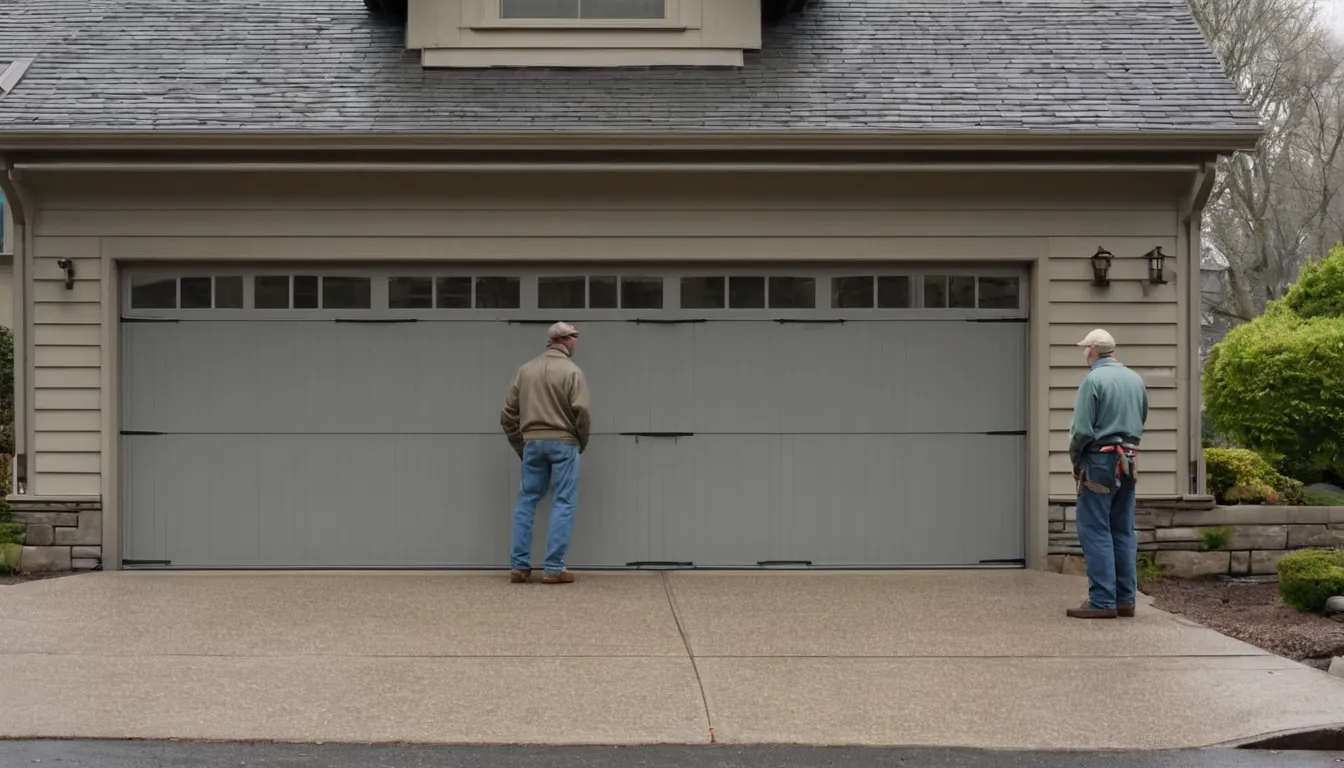
Need garage door installation in Attleboro?
Door stuck, spring snapped or planning a new install? Request a callback or send a request, and we will point you to a local provider in our network.
No obligationGarage Door Installation FAQ
How long does a garage door installation take?
Many single-door installs take a few hours, while double doors or added openers can take longer. Timing depends on the provider, the door and your opening. Ask for an estimated window when you get your written quote.
Can I install a garage door myself?
You can handle prep, such as measuring and clearing space. Installing is risky because of heavy panels and spring tension. Most homeowners are safer hiring a provider for the full install.
Should I replace the opener with a new door?
Often it makes sense, especially if your opener is old or noisy. A heavier insulated door may strain an old unit. Ask the provider whether your current opener still fits.
Request a callback
Door stuck, spring snapped or planning a new install? Request a callback or send a request, and we will point you to a local provider in our network.
No obligation